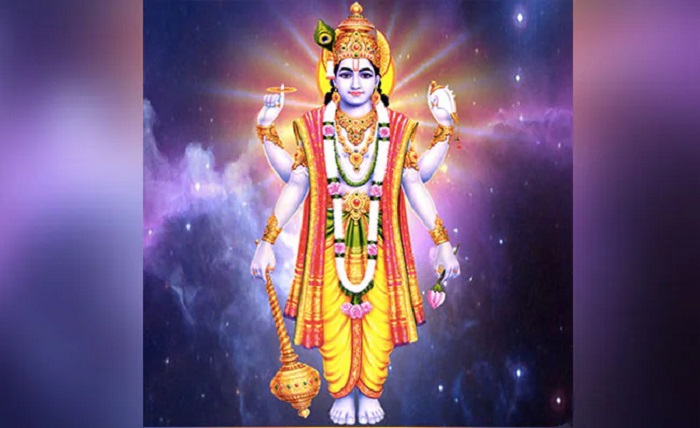
The phrase “ekadashi kab ki hai” is commonly searched by devotees who want to know the exact date of the upcoming Ekadashi fasting day according to the Hindu lunar calendar. In Hinduism, Ekadashi is considered one of the most sacred days dedicated to Lord Vishnu, and many people regularly search ekadashi kab ki hai to prepare for fasting, prayers, and religious rituals. Since Ekadashi occurs twice every lunar month, devotees eagerly check ekadashi kab ki hai to ensure they observe the fast on the correct day.
The answer to ekadashi kab ki hai changes every month because Ekadashi is based on lunar calculations rather than the regular Gregorian calendar. This is why many people depend on Panchang calendars, temple announcements, and online sources to know ekadashi kab ki hai accurately.
Why Is “Ekadashi Kab Ki Hai” Important for Devotees?
For millions of Hindus, knowing ekadashi kab ki hai is spiritually significant because Ekadashi fasting is believed to cleanse the mind, body, and soul. Devotees who ask ekadashi kab ki hai often want to prepare themselves mentally and physically for fasting and worship. It is believed that observing Ekadashi with devotion can remove sins, improve spiritual growth, and bring blessings from Lord Vishnu.
Another reason people frequently search ekadashi kab ki hai is because each Ekadashi has unique religious importance. Some Ekadashi fasts are associated with prosperity, while others are connected to liberation and spiritual enlightenment. Therefore, understanding ekadashi kab ki hai helps devotees participate in rituals at the correct time and gain maximum spiritual benefits.
How Is Ekadashi Determined in the Hindu Calendar?
To properly understand ekadashi kab ki hai, it is important to know how the Hindu calendar works. Ekadashi falls on the eleventh lunar day, or tithi, during both the waxing phase (Shukla Paksha) and the waning phase (Krishna Paksha) of the moon. This means there are generally 24 Ekadashi observances every year, though sometimes an additional Ekadashi occurs due to calendar adjustments.
The calculation behind ekadashi kab ki hai depends on the position of the moon and sun. Priests and astrologers use Panchang calculations to determine the exact beginning and ending time of the Ekadashi tithi. Since the lunar cycle differs from the solar calendar, the answer to ekadashi kab ki hai changes every year.
People often search ekadashi kab ki hai online because the timing can vary by location and timezone. In some cases, Ekadashi begins late at night or ends before sunrise, which affects fasting schedules and rituals.
Spiritual Importance of Knowing “Ekadashi Kab Ki Hai”
The spiritual importance of asking ekadashi kab ki hai goes beyond simply knowing a date. Ekadashi is deeply connected with devotion, discipline, and spiritual purification. According to Hindu scriptures, fasting on Ekadashi pleases Lord Vishnu and helps devotees control their senses and desires.
Many saints and spiritual teachers encourage followers to regularly check ekadashi kab ki hai because observing this fast is believed to improve concentration, increase positivity, and promote inner peace. The Padma Purana and other Hindu texts describe the greatness of Ekadashi and explain why devotees should never ignore ekadashi kab ki hai.
In many households, families begin preparing as soon as they learn ekadashi kab ki hai. Preparations may include buying fruits, avoiding grains, arranging पूजा items, and planning visits to temples. The entire atmosphere becomes spiritual and devotional when people know ekadashi kab ki hai beforehand.
Different Types of Ekadashi and Their Significance
One reason why people frequently search ekadashi kab ki hai is because every Ekadashi has a unique name and significance. Some Ekadashi observances are especially famous and attract millions of devotees across India and around the world.
For example, Devshayani Ekadashi marks the beginning of Lord Vishnu’s cosmic sleep, while Nirjala Ekadashi is considered one of the strictest fasts because devotees avoid both food and water. Vaikuntha Ekadashi is another highly important occasion when temple visits and prayers increase significantly. By knowing ekadashi kab ki hai, devotees can prepare for these sacred occasions properly.
Many people believe that observing certain Ekadashi fasts can help fulfill wishes, improve health, remove obstacles, and bring prosperity. This belief increases the curiosity around ekadashi kab ki hai, especially before major festivals and religious events.
How to Observe Ekadashi Fast Properly
When devotees learn ekadashi kab ki hai, the next step is understanding how to observe the fast correctly. Traditionally, people wake up early, take a bath, and worship Lord Vishnu with flowers, incense, and devotional songs. Many devotees avoid grains, rice, onions, garlic, and non-vegetarian food during Ekadashi fasting.
Some people follow a strict waterless fast, while others consume fruits, milk, and fasting-friendly foods. The type of fasting often depends on health, age, and personal devotion. Knowing ekadashi kab ki hai in advance helps devotees prepare meals and organize their daily schedules around the fast.
Devotees also spend time chanting Vishnu mantras, reading religious scriptures, and participating in temple activities after checking ekadashi kab ki hai. Many believe that charity and helping the needy on Ekadashi bring additional spiritual merit.
The fast is usually broken on Dwadashi, the day after Ekadashi, during a specific time known as Parana. Therefore, people who search ekadashi kab ki hai also pay attention to Parana timings to complete the ritual correctly.
How to Check “Ekadashi Kab Ki Hai” Online
In the modern digital world, finding ekadashi kab ki hai has become very simple. Many websites, mobile apps, and Panchang platforms provide accurate Ekadashi dates along with fasting timings and Parana details. A quick internet search for ekadashi kab ki hai can instantly provide updated information for your city or region.
Several Hindu calendar apps send notifications reminding users about ekadashi kab ki hai before the fasting day begins. This is especially helpful for busy individuals who may otherwise forget important religious dates. Social media pages, temple websites, and spiritual organizations also regularly post updates about ekadashi kab ki hai.
Television channels and newspapers in India often publish monthly Panchang details so devotees can easily know ekadashi kab ki hai. Because the timing depends on lunar movement, it is always recommended to verify the information from trusted sources.
Benefits of Observing Ekadashi Fast
Many devotees who ask ekadashi kab ki hai do so because they believe in the physical, mental, and spiritual benefits of fasting. Spiritually, Ekadashi fasting is believed to reduce negative karma and increase devotion toward Lord Vishnu. Mentally, fasting promotes discipline, patience, and focus.
Health experts also suggest that occasional fasting may improve digestion and give the body time to detox naturally. Although the primary reason for searching ekadashi kab ki hai is religious, some people also appreciate the health benefits associated with controlled fasting practices.
Families often gather together after finding out ekadashi kab ki hai, creating a sense of unity and shared spirituality. Children learn traditional values, prayers, and rituals from elders during these occasions. This cultural connection makes the question ekadashi kab ki hai an important part of Hindu family traditions.
Common Mistakes People Make About “Ekadashi Kab Ki Hai”
Even though many people search ekadashi kab ki hai, misunderstandings about Ekadashi are still common. One major mistake is assuming that the Ekadashi date remains the same every year according to the regular calendar. Since it follows lunar calculations, the answer to ekadashi kab ki hai changes annually.
Another mistake is not checking the exact fasting and Parana timings after learning ekadashi kab ki hai. Some devotees unknowingly break the fast at the wrong time, which may reduce the spiritual significance of the observance.
Some people also think that only elderly individuals should observe Ekadashi, but devotees of all ages participate according to their ability. By properly understanding ekadashi kab ki hai, individuals can observe the fast more meaningfully and avoid confusion.
Conclusion
In conclusion, the question “ekadashi kab ki hai” holds deep spiritual importance for millions of devotees around the world. Ekadashi is not just a fasting day but a sacred opportunity to connect with Lord Vishnu, practice self-discipline, and purify the mind and soul. From understanding lunar calculations to observing rituals and fasting correctly, knowing ekadashi kab ki hai helps devotees stay connected to Hindu traditions and spirituality.
Whether you check a Panchang, use a mobile app, or visit a temple for guidance, staying informed about ekadashi kab ki hai ensures that you can observe this auspicious day with devotion and accuracy. By following the rituals sincerely, devotees believe they receive divine blessings, peace, and spiritual progress.
FAQs
1. What does “ekadashi kab ki hai” mean?
“Ekadashi kab ki hai” means “when is Ekadashi” and is used to ask about the date and timing of the upcoming Ekadashi fast.
2. How many Ekadashi fasts occur in a year?
Generally, there are 24 Ekadashi fasts every year, though sometimes an extra Ekadashi occurs due to lunar calendar adjustments.
3. Why do people search ekadashi kab ki hai regularly?
People search ekadashi kab ki hai to know the correct fasting day, पूजा timings, and Parana schedule according to the Hindu calendar.
4. Can anyone observe the Ekadashi fast?
Yes, most people can observe Ekadashi according to their health and ability. Some follow strict fasting while others consume fruits and milk.
5. How can I easily know ekadashi kab ki hai?
You can check Panchang calendars, temple websites, mobile apps, or search online to find accurate information about ekadashi kab ki hai.