Picture this: you’re browsing online deals, eyeing that smart home starter pack with its tempting discount. The question hits you: do I tackle this myself or bring in someone who knows what they’re doing? The convenience these connected devices promise is real. Getting there, though? That’s where things get murky.
Your decision ripples through everything. Budget, obviously. But also how comfortable you feel in your space daily, and whether you’ll still love your setup years from now. Let’s dig into the actual expenses, the problems nobody warns you about upfront, and what genuinely works depending on your tech confidence and living situation.
Understanding Your Options
Before locking yourself into one approach, you need context. What’s actually happening across the country right now, and why does your choice carry more weight than ever?
The Growing Smart Home Market
Tens of millions of American homes have already embraced smart integration, and that number keeps climbing. We’re not talking about just the early adopters and gadget lovers anymore. Regular families want better security, lower energy bills, and easier daily routines.
This explosion in popularity has dropped device prices dramatically. Great news, right? Sure, but it’s also created a maze of conflicting information about how to actually get these things installed properly.
Modern consumers care deeply about privacy now, too. Think about esim prepaid services that let you handle cellular connectivity yourself, ditching long-term carrier commitments. That same desire for autonomy shapes how people approach home technology. You want to decide exactly what connects to your network and who gets access to your data.
Two Paths Forward
DIY smart home installation puts you in the driver’s seat completely. You purchase consumer devices, download their apps, and work through setup instructions yourself. Everything from opening boxes to fixing problems falls on your shoulders.
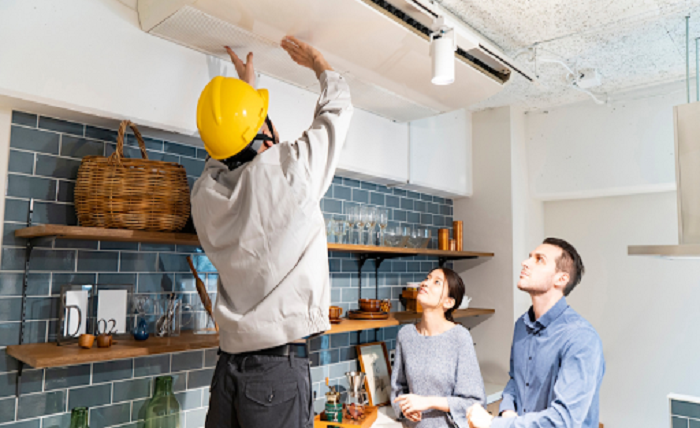
Professional smart home installation brings in certified technicians who handle design, installation, and programming using commercial equipment. They integrate everything into cohesive systems.
There’s also middle ground, we’ll get to that.
This isn’t purely a financial calculation. Your available time matters. Your technical abilities matter. And what do you actually need from your smart home every single day? That matters most.
DIY Smart Home Installation: The Budget-Friendly Route
Most people start here. The entry barrier looks low and manageable. But is that perception accurate? Let’s find out.
Who Should Consider DIY?
If you’re comfortable navigating apps, sorting out Wi-Fi hiccups, and spending your Saturdays researching device compatibility, DIY might suit you. Renters often gravitate this direction because smart plugs and battery-powered cameras require zero permanent changes. Tech enthusiasts who actually enjoy the puzzle of building systems piece by piece find real satisfaction here.
Limited budgets push plenty of homeowners toward DIY by default. Working with $500-$2,000? Consumer devices represent your only realistic path forward.
Real Costs Beyond Device Prices
Here’s where smart home installation costs get complicated for DIYers. That affordable $30 smart bulb? It needs a hub ($50-$100). Your existing router starts choking once you connect 25 devices, forcing a mesh system upgrade ($200-$400). Then come adapters, mounting brackets, and replacement purchases when your first choices don’t play nice with your chosen ecosystem.
A realistic starter setup covering three rooms actually runs $1,200-$2,500 once you count everything. Time represents another hidden expense, budget 20-40 hours for research, installation, and troubleshooting during year one alone. You’ll also face infrastructure upgrades and replace incompatible devices you bought during your learning phase.
Common DIY Pitfalls
App overload becomes real once you’re managing devices from five manufacturers. Separate apps for lighting, locks, climate control, cameras, and your doorbell. Those promised integrations between brands? They rarely deliver smooth experiences despite packaging claims.
Your Wi-Fi network starts struggling, creating laggy responses and dropped connections. Security falls entirely on you, default passwords, outdated firmware, and poorly segmented networks create vulnerabilities. Individual device warranties don’t help when components conflict. There’s no coverage for your system as a whole.
Professional Smart Home Installation: The Premium Experience
Professional installation means hiring smart home installation services that manage everything from initial design through ongoing support. Yes, it’s expensive. What you’re buying is expertise and dependable performance.
When Professionals Make Sense
New construction or major renovation projects create ideal timing for professional systems. Walls are already opened up for structured wiring installation. Luxury homeowners expecting architectural-grade appearance need professionals to hide wiring and integrate technology invisibly into their spaces.
Whole-home automation involving lighting control, multi-zone audio, motorized window treatments, and sophisticated HVAC integration simply exceeds DIY reach. Busy professionals who value their time over DIY cost savings frequently choose this route. If technical troubleshooting sounds like your personal nightmare, paying for peace of mind makes complete sense.
What You’re Actually Paying For
The U.S. faces a projected shortage of 642,000 technicians by 2024 if current trends continue, according to TechForce Foundation research. This scarcity drives costs upward while explaining why qualified installers command $85-$200+ hourly rates. You’re paying for skills developed across years spanning electrical work, networking, and audiovisual disciplines.
Professional smart home installation delivers unified control managing everything through one app or touchscreen. No juggling five different apps, just tap “Movie Night” and watch your lights dim, shades descend, and the projector powers up automatically in perfect sequence.
Professionals design proper network infrastructure preventing the Wi-Fi congestion plaguing DIY setups. You get structured wiring with pristine cable management, invisible ceiling speakers, and programming that actually functions reliably day after day. Warranties cover your entire integrated system, not merely individual components.
The Drawbacks to Consider
Entry-level professional systems start around $10,000-$15,000. Whole-home installations easily hit $50,000-$100,000 or beyond. That’s serious money requiring financing for many households.
You’re also accepting vendor lock-in with proprietary systems. Making changes often means calling your installer rather than tweaking things yourself immediately. Scheduling dependencies frustrate some homeowners. Need to add a device or adjust programming? You’ll wait for an appointment rather than handling it right now.
Making Your Decision
Choosing between DIY vs professional smart home requires brutally honest assessment of several factors beyond budget alone.
Key Factors to Weigh
Budget reality: DIY typically ranges $500-$5,000 for most homes. Professional installations span $10,000-$150,000+ depending on project scope. Consider total ownership costs across 5-10 years, including future upgrades and troubleshooting time.
Technical comfort: Can you troubleshoot network problems yourself? Do terms like DHCP, mesh topology, and port forwarding sound familiar? If these terms make you glaze over, DIY will frustrate you quickly.
Home characteristics: Rental properties practically demand DIY using portable devices. New construction practically begs for professional infrastructure. Existing homes land somewhere between based on your tolerance for retrofit challenges.
Time availability: DIY demands substantial research and troubleshooting hours. Professionals compress weeks of DIY effort into days of expert work.
The Hybrid Approach
Savvy homeowners often blend both approaches strategically. Hire professionals for backbone infrastructure, structured wiring, network foundation, and complex lighting control systems. Then add DIY devices yourself for simpler spaces like bedrooms or bathrooms.
This delivers professional reliability where it matters most while controlling costs on straightforward additions. You might start with professional rough-in during construction but install consumer devices yourself afterward. Or begin with DIY and later upgrade critical areas to professional equipment once your budget expands.
Final Thoughts on Your Smart Home Journey
There’s no universal correct answer here. Your choice depends entirely on your unique situation, technical abilities, and priorities. DIY works brilliantly for tech-comfortable renters and budget-conscious homeowners willing to invest substantial time. Professional installation delivers unmatched reliability and sophistication for those prioritizing convenience and whole-home integration.
Many homeowners find success blending both approaches strategically over time. Start by honestly assessing your technical comfort level, available budget, and long-term vision for your living space. The best smart home is ultimately the one you’ll actually use and enjoy daily, whether you built it yourself or hired experts to create it for you.
Common Questions About Smart Home Installation Choices
Can I start with DIY and upgrade to professional later?
Absolutely, though you’ll likely replace rather than integrate most consumer devices. Professional systems typically can’t control budget smart bulbs or plugs reliably. Plan for infrastructure investments to transfer if you anticipate upgrading within a few years.
How much does professional installation really cost for an average home?
A typical 2,000-square-foot home with basic automation (lighting, climate, security, and audio in main living areas) runs $15,000-$35,000. Luxury systems featuring architectural speakers, motorized shades, and advanced control platforms easily exceed $50,000-$75,000.
Will DIY devices work reliably long-term?
Reliability varies dramatically by manufacturer and your network configuration. Expect some devices to stop functioning after firmware updates or cloud service changes. Budget systems often lose support within 3-5 years, while professional equipment gets longer manufacturer backing plus local installer support.