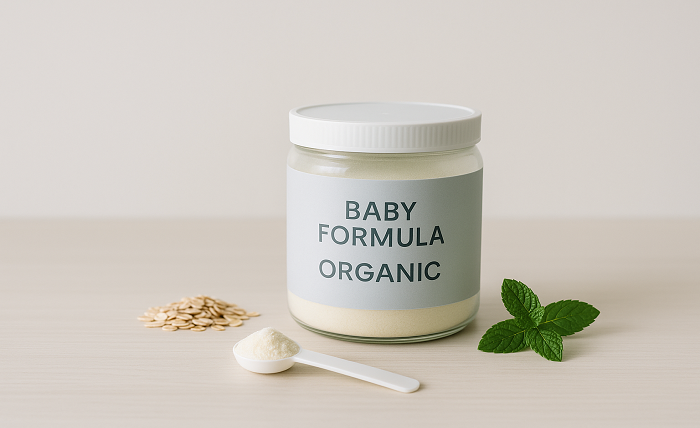
Understanding what goes into baby formulas is crucial for making informed parenting decisions. As interest in baby formulas grows, knowing the difference in ingredients can guide your choice. Whether considering organic or conventional options, ingredient awareness remains vital.
In recent years, parents have become increasingly aware of the importance of understanding what baby formulas contain. This awareness is driven by the desire to make informed choices for their infants’ nutrition. With various options available, including organic baby formula, it’s essential to understand what these products offer. By examining the components and their roles in infant health, you can better navigate the choices available in today’s market.
Common ingredients in baby formulas
Baby formulas, whether organic or conventional, typically share a foundation of key ingredients. These include proteins, carbohydrates, and fats that mimic those found in breast milk. Proteins often come from cow’s milk or soy, providing the necessary amino acids for growth. Carbohydrates like lactose serve as an energy source, essential for developing infants.
The role of fats cannot be overstated as they support brain development and energy needs. Additionally, vitamins and minerals are incorporated to ensure comprehensive nutrition, addressing various developmental milestones. Some formulas also include probiotics and prebiotics to enhance digestive health, reflecting the growing interest in gut-friendly options.
Understanding the specific ratios and combinations of these ingredients is equally important as knowing what they are. Most formulas are carefully calibrated to provide a balanced nutritional profile that supports healthy weight gain and development. The protein-to-carbohydrate ratio is particularly significant, as it affects how easily the formula is digested and how well it satisfies your infant’s hunger. Modern formulas also frequently include nucleotides, which are building blocks for DNA and RNA, supporting immune system development and intestinal health. These additional components work synergistically with the primary ingredients to create a comprehensive nutritional solution that addresses the multifaceted needs of growing infants.
Sourcing and processing differences
The sourcing of ingredients significantly impacts the quality and safety of baby formulas. Organic baby formula often emphasizes natural sources with minimal chemical intervention. Organic certification ensures that the ingredients used are free from pesticides and genetically modified organisms (GMOs). This approach appeals to parents seeking a more natural feeding option for their infants.
Processing methods also differ between organic and conventional formulas. Conventional formulas might undergo more extensive processing to achieve desired shelf stability and texture. Meanwhile, organic options prioritize minimal processing to maintain nutrient integrity. Understanding these differences can influence your choice by highlighting how processing impacts nutritional value.
Beyond organic certification, the geographical origin of ingredients plays a role in formula quality and safety standards. European organic formulas, for instance, often adhere to stricter regulations regarding ingredient sourcing and processing methods compared to some other regions. The farming practices used to produce milk and other base ingredients can affect the final product’s nutritional composition and purity. Organic dairy farms typically prioritize pasture-raised cattle, which may result in milk with a different fatty acid profile compared to conventionally raised livestock. Additionally, the temperature and duration of processing can impact the bioavailability of certain nutrients, making gentle processing methods particularly valuable for preserving the natural benefits of organic ingredients.
Nutritional benefits and considerations
Choosing a baby formula involves assessing nutritional benefits tailored to your infant’s needs. Some formulas boast enhanced omega-3 fatty acids like DHA for brain development, which might sway your decision if cognitive support is a priority. The inclusion of iron in many formulas addresses common deficiencies that could affect growth and immune function.
For parents prioritizing gut health, formulas with added probiotics might be appealing due to their potential benefits in digestive health. However, it’s crucial to consult healthcare professionals when selecting a formula to ensure it aligns with your child’s specific health requirements. Understanding these nutritional nuances empowers you to make decisions that best support your child’s development.
Ingredient awareness in formula selection
The significance of ingredient awareness when choosing a baby formula cannot be ignored. By understanding what goes into these products, you can make decisions that align with your parenting values and your child’s health needs. Researching different formulas provides insights into their composition and potential benefits. For some parents, organic baby formula can be a natural extension of a holistic approach to infant nutrition.
Consulting with healthcare professionals further personalizes this decision-making process by incorporating medical expertise into your choice. As you navigate the array of modern baby formulas available today, let ingredient transparency guide you towards options that foster growth and well-being.