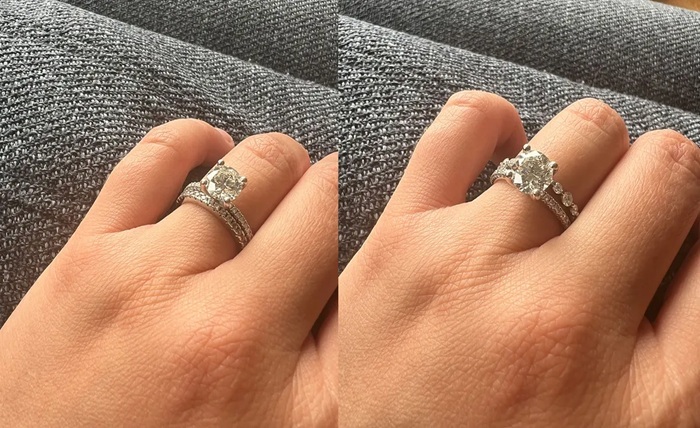
Selecting a wedding band is more than choosing a stylish ring. The way it fits affects how natural it feels throughout the day. Since most people wear it all the time, it should suit the finger without needing frequent adjustments. Shape, width, weight, and material all contribute to how a band feels on the hand.
Wedding bands are worn every day, so they must feel smooth and balanced. A tight ring can restrict movement, while a loose one may shift or slip. It must sit firmly without pressing the skin or causing discomfort. Choosing the right fit ensures the band remains comfortable across seasons and daily routines.
Choose the Right Ring Size
Size directly affects how comfortable a wedding band feels. A size too large may slide during daily tasks. A smaller one may feel too snug, especially in warmer temperatures. Fingers can change slightly across the day, which also affects fit.
A proper fit holds the ring in place without creating pressure. Professionals use ring sizers to find a match that suits different times of the day. The band should pass over the knuckle with some resistance, but rest flat once on. Size must remain consistent across various activities.
Pick a Band Width That Matches the Finger
Width plays a major role in comfort and appearance. A narrow band covers less skin, which reduces contact with nearby fingers. A wide band takes up more space but may feel smoother for some people. The choice depends on what feels easier to wear over time.
Try various widths before choosing. Some prefer a light, slim design, while others favour a broader surface. The width can change how the ring feels while doing regular tasks. Personal comfort depends on the space between fingers and how the band rests at the base.
Select a Metal That Feels Good on Skin
Different metals affect how the band feels and reacts to contact. Some metals are heavier or warmer, while others stay cool. People with skin sensitivity may need specific metals that do not cause irritation.
Consider a metal that suits your routine and skin type. Softer metals show marks quickly, while stronger ones resist daily wear. The metal should remain smooth and clean with normal care. Below are some points to remember:
- Lightweight metals suit active hands
- Some alloys reduce the chance of medical issues like nickel allergy
- Smooth finishes improve overall comfort
- Choose a tone that matches your skin
Check the Band’s Profile and Shape
The shape of the band influences how it sits on the hand. Flat profiles touch more of the finger’s surface. Curved profiles offer a rounded contact area, which some prefer for daily use. Both options have a distinct feel.
Profiles also affect how easily the band slides over the knuckle. A curved edge sometimes moves more smoothly. Try different shapes during fitting sessions. The internal curve, known as comfort fit, can also change how the band feels during long use.
What Should You Look for in a Professional Ring Specialist?
A qualified ring specialist focuses on more than looks. They know that the right width, profile, and metal must work together for lasting comfort. Their process sometimes includes size guidance, finish options, and attention to how the ring sits during daily wear.
A well-structured range of wedding bands makes it easier to choose confidently. Professional services offer clarity across designs and explain what suits different hands. Their focus stays on balance, not just shine. Strong craftsmanship, clear fit advice, and thoughtful design make all the difference when selecting a band that’s worn for life.