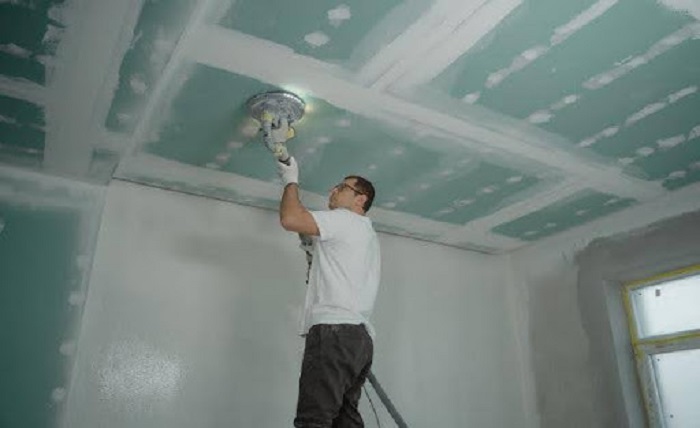
How much work is too much when fixing up your house to sell?
Most homeowners ask themselves this right before a renovation binge. It’s the moment when ambition collides with Zillow listings and a mildly suspicious contractor quote. With housing prices still dancing to the tune of high interest rates and remote work trends reshaping where people want to live, many owners are rethinking how to make their property stand out—and pay off. In this blog, we will share home improvements that actually increase property value, without tossing cash into a pit.
Functional space beats square footage
Buyers don’t need more space; they need better space. That’s why one of the smartest upgrades isn’t building a full addition—it’s reworking what’s already there. A garage converted into a heated office, or an attic that doubles as a guest room, gives the house more utility without pushing the footprint. Right now, with hybrid work still dominant in many industries, houses that flex to fit this reality tend to perform better in the market.
Outdoor space is the other high-yield zone. Especially post-2020, people look at their yards differently. A lawn with patchy grass doesn’t cut it anymore. People want defined areas to sit, cook, and relax. Covered patios, pergolas, and enclosed sunrooms aren’t luxuries—they’re selling points. To know more visit https://solomonshadesolutions.com/fixed-patio-enclosures/, which shows how fixed patio enclosures add year-round usability to your backyard without making the space feel boxed in. A shaded structure or screened-in area offers practical comfort, not just aesthetic value, and shows potential buyers that the yard is actually livable.
When buyers walk through a house and see an outdoor setup that works in both summer and winter, the place becomes a contender—not a maybe. This is especially true in markets where temperate weather dominates most of the year. A well-done patio area can push the emotional appeal over the line.
Kitchens sell houses, but not the ones with trends from 2012
A dated kitchen kills the mood faster than a loud neighbor during an open house. Still, this doesn’t mean you need marble waterfall counters and $15,000 smart fridges. Clean lines, good lighting, and updated appliances matter more than chasing the latest design fad.
Instead of gutting everything, focus on what buyers touch and see first: cabinet doors, faucets, drawer pulls, backsplash. A $1000 refresh using paint, hardware, and a new light fixture often makes more impact than a $40,000 full reno. Quartz has become the default for counters now—not because it’s fancy, but because it’s durable, neutral, and low-maintenance. Stainless steel appliances still dominate for a reason: they show wear less than trendy matte black, and they don’t scare buyers with thoughts of fingerprints and cleaning routines.
The key here is signaling modernity and function without making it look like a showroom. Think less Instagram, more ease of living. A kitchen that feels move-in ready, even if modest, sells better than one that looks expensive but oddly customized.
Energy efficiency isn’t a flex. It’s expected.
Ten years ago, putting in double-paned windows made you look like a genius. Today, it’s the bare minimum. Buyers don’t brag about Energy Star-rated appliances—they assume them. But what does get attention? Monthly savings. If you can show reduced electric or heating bills from upgraded insulation or a smart thermostat setup, you give the buyer a reason to stretch their budget.
Solar panels are the wild card here. In states where power prices are climbing and sunshine is abundant, solar setups can boost home value significantly. But it’s not universal. If your system is leased rather than owned, some buyers see it as baggage, not a bonus. Same with outdated panels that need replacing in a few years. If the numbers don’t pencil out, the upgrade becomes a negotiation point, not a bragging right.
Insulation upgrades, tankless water heaters, and high-efficiency HVAC systems are low-profile but high-impact. They don’t photograph well on a listing site, but smart buyers ask about them, and appraisers take them into account. These are the things that make your home look responsible—not just pretty.
Bathrooms: Keep it simple, stupid
No one’s asking for gold faucets and two-person tubs. What buyers want is a bathroom that doesn’t feel like a haunted motel. Clean grout, a working fan, decent water pressure, and a layout that doesn’t require gymnastic contortions to reach the toilet paper. That’s it.
Replacing a vanity, upgrading to a low-flow toilet, or installing a walk-in shower with modern tile gives a bigger value bump than trying to squeeze a Jacuzzi into a corner. Aging-in-place buyers and even younger families care about access. Walk-in showers with hand-held sprayers win over sunken tubs nearly every time now. The luxury is in the ease.
If your house has only one bathroom, adding a second—even a half bath—can radically shift its marketability. This is one place where building something new makes financial sense, particularly if you can tap into existing plumbing lines.
Flooring: Every step counts
You don’t need Brazilian hardwood to impress. You just need consistency. Mismatched flooring across rooms makes a home feel disjointed. Old carpet drags down the perceived cleanliness of the entire space. If replacing all floors isn’t realistic, at least match the visible areas—especially in open-concept layouts.
Luxury vinyl plank (LVP) flooring has surged because it hits the sweet spot between cost, durability, and looks. It’s water-resistant, pet-friendly, and easier to install than hardwood. Plus, it works across styles. Whether buyers lean rustic or modern, LVP doesn’t scare them off.
The irony? Many flippers install expensive floors and forget baseboards. And buyers notice. It’s the trim and transitions—those little finishing touches—that tell someone whether a job was rushed or respected.
Permits and paperwork still matter
A beautifully redone garage conversion won’t count for much if it’s not legal. Cities and counties vary wildly in their codes, but unpermitted work often leads to lower appraisals and nervous lenders. Even buyers who fall in love with the renovation might hesitate once their inspector flags it.
Getting permits doesn’t just make the place legal. It creates a paper trail that shows future owners what was done, when, and how. That trail builds trust. In an age where buyers are more cautious—burned by inflated pricing and rushed flips—documentation can be a deal-maker.
The broader shift: Homes as shelters, not assets
In 2020, homes became bunkers. Then, offices. Then schools. And somehow, still places where people had to relax. That change never really went away. Buyers no longer view homes strictly as investments. They view them as multi-function spaces that need to protect them from economic swings, climate chaos, and whatever the next curveball brings.
So improvements that speak to that mindset—comfort, function, flexibility—land better than anything performative. The era of showing off with high-end granite is over. Now, it’s about having a home that works. That lives well. That makes life easier.
And buyers can spot the difference.