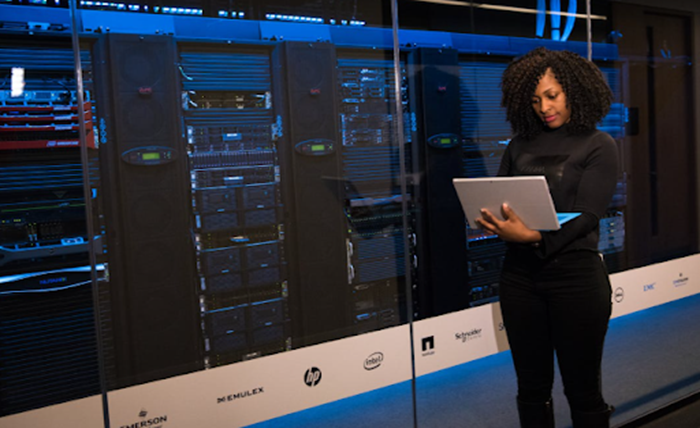
In Florida, technology keeps daily life moving. Hospitals rely on digital records, airports depend on scheduling systems, and businesses across cities like Tampa and Orlando run on cloud services. When these systems go down, even for a short time, the impact shows up fast. Customers lose access, staff can’t work, and important services slow to a stop. That’s why system administrators focus so much on monitoring. They don’t wait for things to break. Instead, they watch systems closely, looking for small warning signs that could lead to bigger problems. Good monitoring helps teams fix issues early, often before anyone outside the IT department even notices something is wrong.
What System Administrators Watch Every Day
System administrators track many parts of an organization’s technology. They monitor server health to make sure machines have enough memory, processing power, and storage. They also keep an eye on critical services like email systems, databases, and internal applications. If one of these slows down or stops, employees may not be able to work. Admins also monitor user activity, since unusual login patterns can point to security risks. Another key area is system updates, because missed patches can lead to instability or vulnerabilities. Daily monitoring helps administrators stay aware of system behavior and respond quickly when something changes unexpectedly. These are the kinds of practical, hands-on skills developed in Florida Tech’s online Master’s in Computer Information Systems, an applied graduate program based in Melbourne, Florida. Because the program focuses on both technical systems and leadership, it can help professionals strengthen their ability to manage enterprise platforms, understand emerging technologies, and make smarter decisions when preventing outages or improving system reliability in real workplace settings.
Early Warning Signs That Shouldn’t Be Ignored
Most outages do not happen out of nowhere. Systems often show small warning signs first. A server might respond more slowly than usual, or an application may take longer to load. Disk space can start filling up, or memory use may rise steadily over several hours. These changes may seem minor at first, but they can lead to crashes if left unchecked. System administrators learn to take these signals seriously. They review alerts, compare current performance to normal trends, and investigate repeated errors. Catching these early signs gives teams time to fix problems before they affect users.
Monitoring Network Health Behind the Scenes
Even when servers work perfectly, network problems can still bring systems down. Slow connections, packet loss, or misconfigured devices can stop users from reaching critical services. System administrators monitor network performance to make sure data moves smoothly between servers, cloud platforms, and user devices. They watch metrics like latency, bandwidth use, and connection drops. They also track firewall activity and unusual traffic patterns that could point to attacks or failures. Network monitoring helps admins find hidden issues early, such as overloaded links or unstable routing. By keeping the network stable, administrators reduce downtime and improve the overall reliability of systems.
Making Sure Backups Are Always Reliable
Backups play a key role in keeping systems safe, but they only help when they work correctly. System administrators monitor backup jobs to confirm they run on schedule and complete without errors. They also check storage health to make sure backup data remains accessible. A backup that fails quietly can become a serious risk during an outage or data loss event. Many teams also test recovery by restoring files or systems in a controlled way. This confirms the backup process works end-to-end. Reliable backups give organizations a way to recover quickly after unexpected failures, ransomware incidents, or accidental data deletion.
Creating a Prevention First IT Mindset
Monitoring works best when teams treat it as a daily habit, not just an emergency tool. System administrators build routines around reviewing alerts, checking trends, and learning from past incidents. After a disruption, strong teams focus on what the data showed beforehand and how they can improve detection next time. They update alert rules, improve documentation, and share knowledge across the IT group. This prevention-first mindset reduces panic during outages and leads to more stable systems over time. When monitoring becomes part of the culture, organizations stay prepared, respond faster, and avoid repeating the same problems again and again.
System administrators play a major role in keeping modern technology reliable. They monitor servers, applications, networks, logs, and backups every day to catch issues early. Instead of waiting for systems to fail, they focus on prevention through dashboards, meaningful alerts, and smart automation. Good monitoring helps organizations avoid costly downtime and keeps services available for employees and customers. It also supports faster troubleshooting when problems do occur. In today’s connected world, strong monitoring is not optional. It is one of the most practical ways to keep systems stable, secure, and ready for whatever comes next.