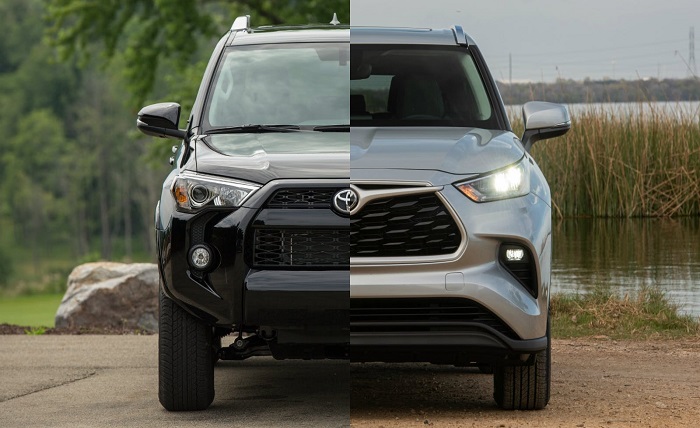
A large number of buyers are at crossroads when shopping for a used car; they are torn between an SUV and a crossover. There is space, versatility and comfort in both types of vehicles which have made them popular among families as well as individuals. Nonetheless, both SUVs and crossovers have significant distinctions that might guide the choice of the most suitable ones to go with in your everyday life and over an extended period.
In case you are considering buying used SUVs in Philadelphia, then knowing the difference between SUVs and crossovers will ensure you make a better and more informed decision.
Knowing the Difference Between SUVs and Crossovers
Even though the two terms SUV and crossover are used interchangeably; they are constructed differently. Conventional SUVs are normally built on truck-like frames and thus are more robust and can withstand challenging driving environments. Crossovers, however, are normally constructed on car-based platforms, which are smoother to ride in and use less fuel.
Due to such structural variations, every type of vehicle presents the benefits differently based on your lifestyle.
When an SUV Could Be the Right Choice
SUVs are associated with power and prowess. They commonly tend to be the choice of drivers who require additional power and endurance.
Towing and Heavy Loads
When you habitually tow trailers, boats or heavy equipment, then a conventional SUV would be a better choice. They also have stronger frames and more powerful engines thus can do some laborious job that small vehicles might not be able to handle.
Off-Road Adventures
Drivers that are fond of outdoor things like camping, hiking or driving on rough roads are also likely to take advantage of the prowess of an SUV. Most SUVs have such features as four-wheel drive or all-wheel drive that enhance the navigation in dirty roads and rough surfaces.
Larger Families
SUVs tend to have increased interior and cargo capacity, particularly full-size. The additional space can be valued by the family that travels a lot, and that which requires space to keep sports equipment, luggage, or a stroller.
When a Crossover Could Be the Appropriate Choice
Crossovers are now very popular as they are convenient and normal SUVs with the comfort of a sedan.
Daily Commuting
In case your main purpose in owning a car is to get to work or doing errands, a crossover might prove to be more appropriate. Their automobile-like handling facilitates them in the traffic of the city and with narrow parking spaces.
Better Fuel Efficiency
The crossovers do not consume much fuel as compared to the conventional SUV. This would save a lot in the long run, particularly drivers who travel a lot on an annual basis.
Comfortable Ride
Since crossovers are constructed more as a passenger vehicle, they have a more refined and more comfortable ride. This enables them to be suitable for long highway journeys or commuting.
Safety Considerations
Crossovers and SUVs both have modern safety systems like airbags, stability control, and driving assistance systems. Nonetheless, bigger SUVs can offer the additional feeling of safety as they are bigger and have a higher driving position.
Crossovers, conversely, are usually more manoeuvrable, and stop shorter, which may be useful in the crowded urban setting.
In the assessment of safety, the particular characteristics of each vehicle should also be reviewed and not just the type of vehicle.
Budget and Ownership Costs
Budget also contributes a lot in making a purchase decision between SUV and crossover. The second hand cars can bring great value, and the maintenance cost will differ, according to the model.
The fuel consumption and the cost of maintenance could be greater with SUVs, especially when they are equipped with bigger engines or more sophisticated four-wheel-drive systems. Compared to other models, Crossovers are normally cheaper to run and maintain, and therefore appealing to cost conscious consumers.
The size and value of the vehicle might also vary in insurance costs.
Finding the Right Way to Live
It all depends on what you intend to do with your vehicle in order to make the right decision. Take into account your habits, passenger needs, and long-term objectives.
A SUV can be perfect in case you require power, durability, and space. A cross over would be superior in case you are more concerned with fuel consumption, comfort and comfort driving.
Consider your most frequented destinations, number of passengers, and type of goods that you commute.
The decision of whether to buy an SUV that has been used or a crossover is a critical decision that is heavily determined by the way of life and the type of driving. The two available offers are flexible and practical, yet their differences might have a huge impact on your driving experience in general.
Knowing the advantages of all types of vehicles, you are able to choose a stable one that will not cost too much but will contribute to your daily routine. An intelligent comparison will assist in guaranteeing that your next car will provide comfort, ease as well as long term worth.